
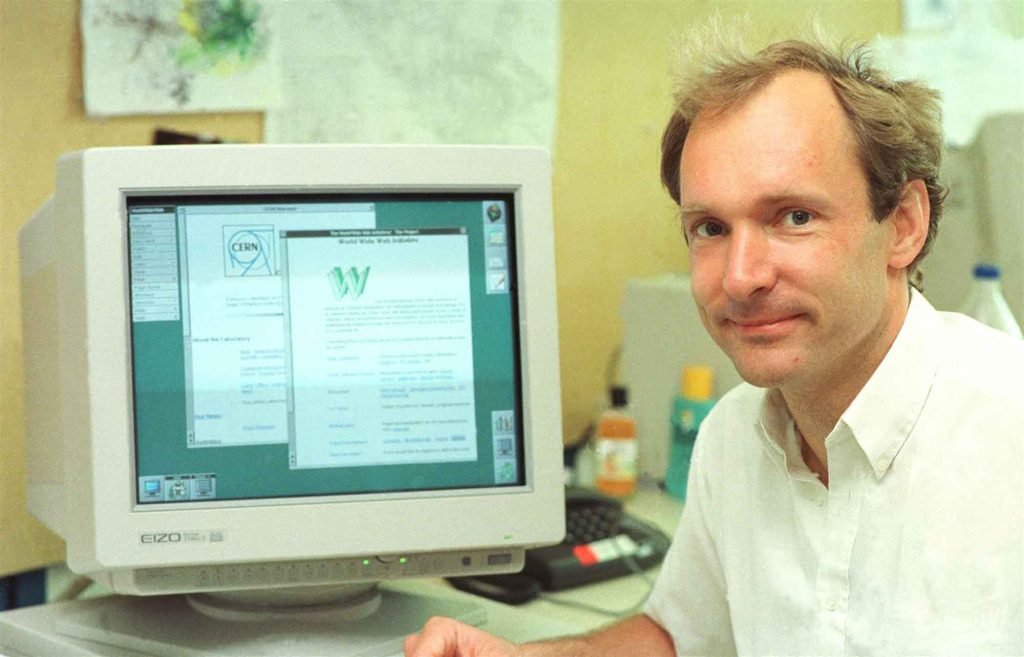
Tim Berners-Lee, the renowned computer scientist credited with inventing the World Wide Web, has expressed his skepticism about blockchain’s viability as a solution for building the next iteration of the internet. While the concept of web3 revolves around the idea of “decentralization,” Berners-Lee, along with other prominent figures in the web community, believes that web3 is not genuinely decentralized and, therefore, falls short of being the true web3.
Web3 is a term that remains somewhat ambiguous in the realm of technology. It envisions a future version of the internet that is more decentralized than the present and avoids being controlled by a handful of powerful entities such as Amazon, Microsoft, and Google. It encompasses several technologies, including blockchain, cryptocurrencies, and non-fungible tokens. Although Berners-Lee shares the aspiration of liberating our data from the clutches of big tech companies, he remains unconvinced that blockchain, the distributed ledger technology that serves as the foundation for cryptocurrencies like bitcoin, is the solution. During his appearance at the Web Summit event in Lisbon, Berners-Lee emphasized the importance of understanding the true meaning of the buzzwords and discussing the actual implications of new technologies. He expressed disappointment that the term “Web3” had been appropriated by the Ethereum community to refer to their blockchain-related endeavors, stating that Web3, as it stands, is not representative of the web at all.
In pursuit of web decentralization, Berners-Lee has initiated his own project called Solid. Through Solid, he aims to establish a more decentralized and user-centric web, ensuring individuals have greater control over their personal data and online identities. By shifting the power dynamics and fostering a more inclusive and equitable digital landscape, Berners-Lee seeks to pave the way for a true evolution of the internet.
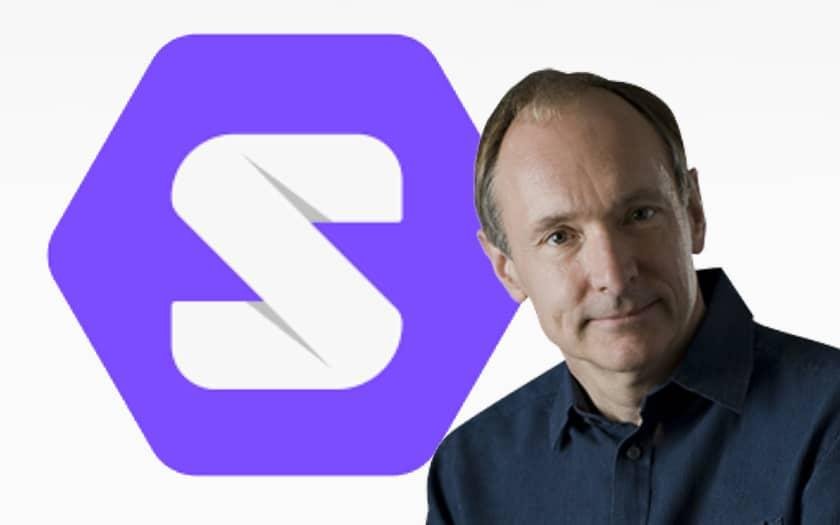
Solid, unlike Web3, is constructed using standard web tools and open specifications, without relying on blockchain technology. The core idea behind Solid involves storing private data in decentralized data stores called “pods,” which can be hosted anywhere according to the user’s preference. Users have the ability to specify which applications are granted access to their data. This approach prioritizes interoperability, speed, scalability, and privacy.
While Tim Berners-Lee shares the objective of liberating our data from the control of Big Tech, he remains unconvinced that blockchain, the distributed ledger technology underlying cryptocurrencies like bitcoin, is the solution. He believes that blockchain protocols may have their merits in certain contexts, but they are not suitable for Solid, his web decentralization project. Berners-Lee expresses concerns over their sluggishness, high costs, and lack of privacy. According to him, personal data stores need to be fast, affordable, and private. He dismisses the notion of Web3 built on blockchain and emphasizes that Solid does not rely on such technologies.
Solid serves two distinct purposes. Firstly, it aims to prevent companies from exploiting our data for unwanted purposes, ranging from voter manipulation to generating clickbait. Secondly, it offers opportunities for individuals to benefit from their own information. It includes features like a global “single sign-on” that enables anyone, anywhere to log in, login IDs that facilitate data sharing with others, and a “common universal API” that allows applications to retrieve data from various sources. For instance, healthcare data can be securely shared across trusted services to enhance treatment and support medical research. It is worth noting that Berners-Lee’s reservations about Web3 are shared by other notable figures in the tech industry.
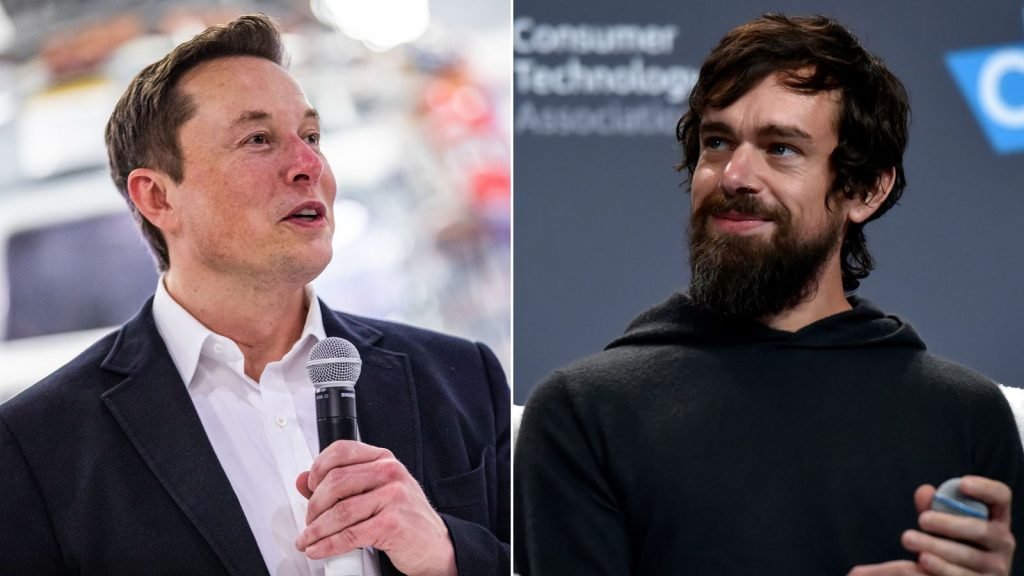
Prominent figures such as former CEOs Jack Dorsey and Elon Musk have been among those expressing criticism towards web3. While Dorsey has shown support for Bitcoin, he considers the rest of web3 as an attempt to consolidate money and power. In a tweet from last year, he wrote, “You don’t own ‘Web3’.” Similarly, Elon Musk has been openly critical of web3 since last year, sharing his views through a series of posts and comments on Twitter. Critics argue that web3 is susceptible to the same problems that plague cryptocurrencies, including fraud and security vulnerabilities.
Web3, which aims to decentralize the internet, has faced criticism for attempting to fix something that skeptics argue is not broken and is already perceived as centralized. Soatok Dhole, a security engineer and cryptographer, asserts that web3 is merely an illusion of decentralization. Nicholas Weaver, an astrophysicist, computer scientist, and lecturer at the University of California, Berkeley, goes as far as labeling web3 as a deceptive scheme. To raise awareness about the frequent hacks and scams surrounding web3, Molly White, a software engineer, long-time Wikipedia editor, and vocal critic of web3, created the website ‘Web3 is going just great.’ The site regularly publishes numerous stories each day, highlighting the significant thefts of crypto and NFTs, amounting to millions of dollars. As public sentiment shifts and more well-researched articles present technical, historical, and logical reasons for reevaluating cryptocurrencies and web3, skeptics are gaining traction in disseminating their message. However, despite the growing skepticism, the crypto and web3 space continues to expand. Time will ultimately reveal whether we will witness the emergence of a new decentralized, blockchain-based utopia or if the skeptics were indeed correct all along.