Introduction to Moonbeam
Moonbeam, a trailblazing presence in the blockchain ecosystem, ushers in a new era of compatibility and interoperability. Nestled within the expansive Polkadot network, Moonbeam emerges as a smart contract platform with a distinct edge – it seamlessly embraces Ethereum’s architecture and extends a welcoming hand to the ERC-20 assets residing upon it. This remarkable synergy not only ensures the continuity of Ethereum-based projects but also offers developers a streamlined pathway to migrate their applications to the Polkadot universe with minimal friction. In the realm of blockchain innovation, Moonbeam shines as a radiant beacon, promising a future of enhanced connectivity, boundless potential, and limitless creativity.
Project Overview of Moonbeam
Moonbeam isn’t just another blockchain; it’s a visionary platform designed to seamlessly connect Ethereum and Polkadot ecosystems, unlocking a realm of possibilities and redefining how we build, deploy, and interact with decentralized applications (dApps).
At its core, Moonbeam operates within the expansive Polkadot network, making it a parachain in this multi-chain ecosystem. But what sets Moonbeam apart from the crowd is its unique compatibility with Ethereum. While many blockchains aim to carve their niche independently, Moonbeam embraces Ethereum’s structure and architecture. Developers can deploy their Ethereum-based smart contracts and dApps on Moonbeam with minimal effort, preserving the rich ecosystem they’ve cultivated on Ethereum.
Moonbeam’s interoperability isn’t just about Ethereum. Being part of the Polkadot network means it can communicate and share data with other parachains, creating an interconnected web of blockchains. This cross-chain functionality is where Moonbeam’s true potential shines. It becomes a gateway for projects to tap into the broader Polkadot ecosystem, benefiting from the security, scalability, and shared utility of this expansive network.

Moonbeam Background
The visionary force behind the Moonbeam Network is none other than Derek Yoo, who wears the hat of CEO at PureStake, a platform renowned for providing robust and secure public blockchain infrastructure to a diverse array of blockchain app developers, projects, and enterprises. Complementing Derek’s leadership is the multifaceted Stefan Mehlhorn, an expert in early-stage company management and operations, who takes on the role of Chief Operations Officer at both Moonbeam and PureStake. Stefan brings with him a wealth of experience, having worked with industry giants like Samsung Pay, Candibell Inc., LoopPay, Permessa, Thinking Phone Network, and many others. Steering the ship on the marketing and business development fronts at the Moonbeam Network are Katie Butler and Nate Hamilton, both hailing from the dynamic team at PureStake, collectively lending their expertise to drive the Moonbeam vision forward.
Since its entrance into the blockchain arena with the mainnet’s debut in September 2021, Moonbeam has embarked on an impressive journey. It has carved out a unique niche by seamlessly combining Ethereum compatibility with the inherent scalability and interoperability of the Polkadot network. This fusion has captivated a rapidly growing community of both developers and users, drawn to Moonbeam’s promise of bridging the Ethereum-Polkadot gap. Notably, Moonbeam’s strategic inclusion of Chainlink oracles has elevated its profile, catering to decentralized applications with a hunger for real-world data.
Moonbeam’s prowess in securing a parachain slot via a successful auction on Polkadot, followed by the triumphant launch of Moonriver, stands as a testament to the project’s vigor. These achievements underscore its ability to mobilize substantial support and resources within the Polkadot ecosystem. Moreover, Moonbeam’s remarkable performance and its proactive engagement with other projects reaffirm its potential to become a significant contributor to the ever-expanding realm of blockchain technology.
Tokenomics
At the core of Moonbeam’s tokenomics is the native utility token, Glimmer (GLMR). With a capped total supply of 1 billion GLMR tokens, the project maintains a controlled and predictable issuance model. This scarcity contributes to the token’s value proposition.
The initial distribution of GLMR tokens occurred through a combination of strategies, including private sales, strategic partnerships, community incentives, and development grants. This diversified approach ensures a broad and engaged community from the outset.
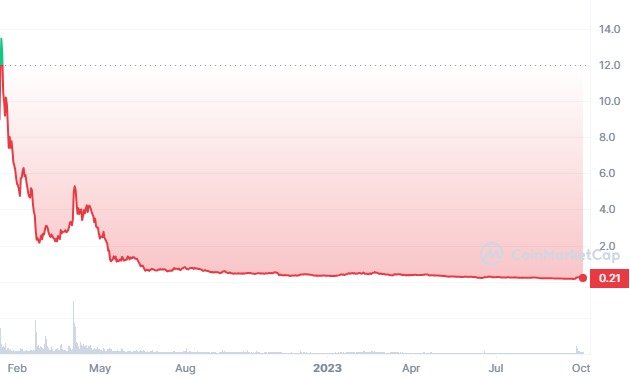
Market Cap: $124,146,740
Circulating Supply: 736,984,186 GLMR
Supply Cap: 1,085,043,136 GLMR
All Time High: $19.50,January 11, 2022 (-99.13%).
All Time Low: $0.162763, September 11, 2023 (+3.68%).
Use Cases and Utility:
GLMR tokens serve a multitude of functions within the Moonbeam ecosystem, aligning incentives and fostering active participation:
Gas Fees: Like Ethereum’s ETH, GLMR tokens are used to pay for transaction fees and smart contract interactions on the Moonbeam network. This provides a crucial utility for users and developers deploying decentralized applications (dApps) on the platform.
Governance: GLMR token holders have the power to participate in the platform’s governance. This includes voting on proposals for protocol upgrades, network parameters, and adjustments to economic policies. Decentralized decision-making empowers the Moonbeam community.
Collateral: GLMR tokens can be utilized as collateral within the Moonbeam ecosystem. This use case has the potential to fuel the growth of DeFi applications on the platform, enabling lending, borrowing, and liquidity provision.
Staking: Staking mechanisms allow GLMR holders to secure the network and earn rewards in return. These rewards incentivize long-term participation and commitment to the network’s security and stability.
Features and Functionality of Moonbeam
-
Ethereum Compatibility: Moonbeam’s defining feature is its full Ethereum compatibility within the Polkadot ecosystem. This means that developers can seamlessly port their Ethereum-based decentralized applications (dApps), smart contracts, and tools to Moonbeam with minimal modifications. It’s as if Moonbeam acts as a bridge between the Ethereum and Polkadot networks, allowing projects to expand their horizons and tap into Polkadot’s scalability and interoperability.
-
Scalability and Interoperability: Being a parachain on Polkadot, Moonbeam inherits the inherent scalability and interoperability of the Polkadot network. This means that Moonbeam dApps can leverage Polkadot’s infrastructure to process transactions faster and at a lower cost compared to Ethereum. It also opens the door to interact with other parachains on the Polkadot network, creating a vibrant and interconnected blockchain ecosystem.
-
Cross-Chain Integration: Moonbeam is not an isolated celestial body but part of a larger constellation. It has integrated Chainlink oracles, enabling decentralized applications on Moonbeam to access real-world data in a secure and reliable manner. This integration enhances the functionality of Moonbeam dApps, allowing them to bridge the gap between the digital and physical worlds.
-
EVM Compatibility: Moonbeam’s Ethereum Virtual Machine (EVM) compatibility means that developers can use familiar tools and programming languages like Solidity to build on the platform. This reduces the learning curve and accelerates development, making it easier for Ethereum developers to transition to Moonbeam.
-
Developer-Friendly: Moonbeam is committed to providing a smooth experience for developers. It offers a range of developer-friendly tools, libraries, and documentation to streamline the creation of dApps. Whether you’re a seasoned Ethereum developer or new to blockchain development, Moonbeam aims to provide the resources you need to succeed.
-
Community and Governance: Moonbeam’s governance model is decentralized, putting the power in the hands of the community and GLMR token holders. Decisions about network upgrades, parameter changes, and economic policies are made collectively through a transparent governance process, ensuring that Moonbeam evolves in a direction that benefits all stakeholders.
-
Interoperability with Other Chains: Moonbeam’s compatibility with Ethereum is just the beginning. Its design allows for future integrations with other blockchain networks, further expanding its interoperability. This opens up exciting possibilities for cross-chain communication and collaboration.
Advantages, Risks and Challenges of Moonbeam
Advantages:
Ethereum Compatibility: Moonbeam’s ability to seamlessly integrate Ethereum-based dApps and smart contracts is a major advantage. Ethereum developers can transition to Moonbeam with ease, leveraging their existing knowledge and tools to tap into the benefits of the Polkadot ecosystem.
Scalability and Interoperability: Moonbeam operates as a parachain on Polkadot, inheriting its scalability and interoperability. This means faster and more cost-effective transactions compared to Ethereum. Additionally, Moonbeam can interact with other Polkadot parachains, fostering a connected blockchain ecosystem.
Cross-Chain Integration: Moonbeam’s integration with Chainlink oracles enhances its utility. Decentralized applications on Moonbeam gain access to real-world data, bridging the gap between blockchain and the physical world.
Developer-Focused: Moonbeam places a strong emphasis on developer-friendliness. It offers familiar tools, libraries, and documentation, making it accessible to both Ethereum veterans and newcomers to blockchain development.
Decentralized Governance: The community and GLMR token holders govern Moonbeam. This decentralized governance ensures collective decision-making, promoting a transparent and community-driven approach.
Risks:
Competition: Moonbeam faces competition from other smart contract platforms within the Polkadot ecosystem and beyond. Standing out in a crowded space requires continued innovation and adoption.
Security Concerns: Like all blockchain projects, Moonbeam is susceptible to security vulnerabilities. Ensuring the platform’s security and the safety of user funds is paramount.
Adoption Hurdles: While Moonbeam offers Ethereum compatibility, convincing developers and projects to migrate or expand to the platform can be challenging. Ethereum’s network effect is a formidable obstacle.
Challenges:
Ecosystem Growth: Moonbeam’s success hinges on the growth of its ecosystem. Attracting developers, projects, and users to build and use applications on the platform is an ongoing challenge.
Interoperability: Achieving seamless interoperability with other blockchains is a complex endeavor. Moonbeam must navigate technical challenges to fulfill its vision of a connected blockchain universe.
Regulatory Landscape: The ever-evolving regulatory landscape for cryptocurrencies and blockchain projects presents uncertainties and compliance challenges that Moonbeam must address.
Conclusion
Moonbeam is more than just a blockchain platform; it’s a cosmic gateway to a new frontier of decentralized applications and blockchain innovation. With Ethereum compatibility, scalability, interoperability, developer-friendliness, and a vibrant community, Moonbeam invites developers and users alike to explore and pioneer this celestial landscape. As the blockchain space continues to evolve, Moonbeam shines brightly as a guiding star towards a decentralized future.